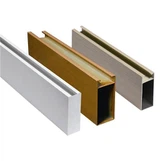
As a supplier of PVDF Aluminum Coil, I've often encountered inquiries regarding the differences between PVDF Aluminum Coil and PVC-coated aluminum coil. This blog aims to delve into the distinct characteristics of these two products, offering valuable insights for those considering aluminum coil materials.
1. Composition and Manufacturing Process
PVDF Aluminum Coil
PVDF, or Polyvinylidene Fluoride, is a high-performance fluoropolymer. The manufacturing of PVDF Aluminum Coil involves applying a PVDF resin-based paint system to an aluminum substrate. This process typically includes multiple steps of cleaning, chemical conversion coating, and then painting. The PVDF paint is known for its excellent adhesion to the aluminum surface, forming a durable and protective layer. The unique molecular structure of PVDF provides outstanding weather resistance, chemical resistance, and color retention properties. PVDF Aluminum Coil
PVC-coated Aluminum Coil
PVC, or Polyvinyl Chloride, is a widely used thermoplastic polymer. PVC-coated aluminum coil is produced by coating a layer of PVC film or paint on the aluminum surface. The PVC coating can be applied through processes such as lamination or extrusion. PVC is relatively inexpensive and easy to process, making it a popular choice for various applications. However, the PVC coating may not have the same level of performance as PVDF in some aspects.
2. Performance Characteristics
Weather Resistance
PVDF Aluminum Coil excels in weather resistance. The PVDF coating can withstand extreme weather conditions, including prolonged exposure to sunlight, rain, snow, and high temperatures. It has excellent UV resistance, which prevents color fading and chalking over time. This makes PVDF Aluminum Coil an ideal choice for outdoor applications such as building facades, roofing, and signage.
On the other hand, PVC-coated aluminum coil has limited weather resistance. The PVC coating may degrade when exposed to long-term sunlight and harsh weather, leading to color change, cracking, and peeling. While it can be used for some indoor or semi - outdoor applications, it is not as suitable for long - term outdoor use as PVDF Aluminum Coil.
Chemical Resistance
PVDF Aluminum Coil offers superior chemical resistance. It can resist the corrosion of various chemicals, including acids, alkalis, and solvents. This property makes it suitable for use in industrial environments where the coil may come into contact with corrosive substances.
PVC-coated aluminum coil has moderate chemical resistance. The PVC coating may be damaged by certain chemicals, especially strong solvents. In chemical - rich environments, the PVC coating may start to dissolve or lose its integrity, reducing the protection of the underlying aluminum substrate.
Mechanical Properties
PVDF Aluminum Coil has good mechanical properties. The PVDF coating enhances the scratch and abrasion resistance of the aluminum coil. It can withstand minor impacts and scratches without significant damage to the coating. This is important for applications where the coil may be subject to handling and installation processes.
PVC-coated aluminum coil has relatively lower scratch and abrasion resistance. The PVC coating is softer and more prone to scratches compared to PVDF. This can affect the appearance and performance of the coil over time, especially in high - traffic or abrasive environments.
Fire Resistance
PVDF Aluminum Coil generally has better fire - resistant properties. The PVDF coating has a high melting point and is less likely to contribute to the spread of fire. It can also release less toxic smoke compared to some other materials.
PVC-coated aluminum coil may have fire - safety concerns. PVC is a flammable material and can release toxic gases such as hydrogen chloride when burned. In applications where fire safety is a critical factor, PVDF Aluminum Coil is a more reliable choice.
3. Aesthetic Appearance
Color and Gloss
PVDF Aluminum Coil offers a wide range of colors and gloss levels. The PVDF coating can be formulated to achieve vibrant and long - lasting colors, from solid colors to metallic finishes. It also allows for different gloss levels, including high - gloss, semi - gloss, and matte, to meet various design requirements.
PVC-coated aluminum coil has a more limited color and gloss selection. The PVC coating may not be able to achieve the same level of color saturation and durability as PVDF. Over time, the color of the PVC coating may become duller, especially in outdoor applications.
Surface Smoothness
PVDF Aluminum Coil typically has a smoother surface finish. The PVDF coating process can produce a uniform and flat surface, which is aesthetically pleasing and can enhance the overall appearance of the product.
PVC-coated aluminum coil may have a slightly rougher surface, especially if the coating process is not well - controlled. This can affect the visual quality of the coil, especially in applications where a smooth and seamless appearance is desired.
4. Cost and Application
Cost
PVDF Aluminum Coil is generally more expensive than PVC-coated aluminum coil. The higher cost is mainly due to the high - performance PVDF resin and the more complex manufacturing process. However, considering its long - term durability and performance, the cost - effectiveness of PVDF Aluminum Coil can be higher in the long run, especially for large - scale and long - term projects.


PVC-coated aluminum coil is more cost - effective in the short term. Its lower price makes it an attractive option for budget - conscious projects or applications where high - performance requirements are not necessary.
Application Areas
PVDF Aluminum Coil is commonly used in high - end building projects, such as luxury hotels, commercial buildings, and landmark structures. Its excellent performance and aesthetic appearance make it a preferred choice for architects and designers. It is also used in the transportation industry for vehicle body panels and in the aerospace industry for certain components.
PVC-coated aluminum coil is often used for indoor applications such as interior decoration, furniture, and some light - duty industrial products. It can also be used for short - term outdoor applications where cost is a major concern and the weather conditions are not too harsh.
5. Conclusion
In summary, the differences between PVDF Aluminum Coil and PVC-coated aluminum coil are significant in terms of composition, performance, aesthetics, cost, and application. PVDF Aluminum Coil offers superior weather resistance, chemical resistance, mechanical properties, and aesthetic appearance, but at a higher cost. PVC-coated aluminum coil is more cost - effective in the short term but has limitations in performance and durability.
If you are involved in a project that requires long - term outdoor use, high - performance requirements, or a high - end aesthetic appearance, PVDF Aluminum Coil is the better choice. On the other hand, if you have a limited budget and the application is for indoor or short - term outdoor use, PVC-coated aluminum coil may be sufficient.
As a supplier of PVDF Aluminum Coil, I am committed to providing high - quality products and professional services. If you are interested in our PVDF Aluminum Coil or have any questions about the selection between PVDF Aluminum Coil and PVC-coated aluminum coil, please feel free to contact us for further discussion and procurement negotiation. We look forward to working with you to meet your specific needs.
References
- ASTM International Standards for Aluminum Coils and Coatings
- Industry reports on the performance comparison of PVDF and PVC coatings on aluminum substrates
- Technical data sheets provided by PVDF and PVC coating manufacturers