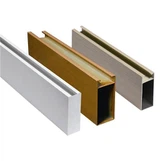
As a dedicated supplier of Aluminum Composite Panels (ACPs), I've witnessed firsthand the remarkable versatility and adaptability of these materials in the construction industry. ACPs are not just standalone components; they interact with a wide range of other building materials in ways that can significantly enhance the functionality, aesthetics, and durability of a building. In this blog, I'll explore how ACPs interact with various building materials, highlighting their unique characteristics and benefits.
Interaction with Structural Materials
Steel and Concrete
One of the most common applications of ACPs is in conjunction with steel and concrete structures. These structural materials provide the backbone of a building, offering strength and stability. ACPs, on the other hand, are used for cladding and finishing, adding an extra layer of protection and visual appeal.
When installed on steel or concrete frames, ACPs can help to improve the building's energy efficiency. The panels act as an additional insulation layer, reducing heat transfer and lowering energy consumption for heating and cooling. This interaction is particularly beneficial in commercial and industrial buildings, where large surface areas need to be covered.
Moreover, ACPs can be easily attached to steel or concrete structures using a variety of fastening methods, such as mechanical fixings or adhesive bonding. This makes the installation process relatively straightforward and efficient, saving time and labor costs. The combination of ACPs with steel or concrete also provides excellent resistance to weathering, corrosion, and fire, ensuring the long-term durability of the building.
Wood
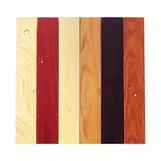
Wood is another popular building material that often interacts with ACPs. In residential and some commercial construction, wood frames are used for their natural warmth and aesthetic appeal. ACPs can be used to complement wood structures, adding a modern and sleek look while providing protection against the elements.
When used in combination with wood, ACPs can help to extend the lifespan of the wood by protecting it from moisture, UV radiation, and insects. The panels can be installed on the exterior of the wood frame, acting as a barrier that prevents water penetration and reduces the risk of rot and decay. Additionally, ACPs can be customized to match the color and texture of the wood, creating a harmonious and cohesive design.
However, it's important to note that when using ACPs with wood, proper ventilation and moisture management are crucial. Wood needs to be able to breathe to prevent the buildup of moisture, which can lead to mold and mildew growth. Therefore, it's recommended to leave a small gap between the ACPs and the wood surface to allow for air circulation.
Interaction with Insulation Materials
Polystyrene and Polyurethane Foam
Insulation is an essential component of any building, as it helps to regulate temperature and reduce energy consumption. ACPs can be used in conjunction with insulation materials such as polystyrene or polyurethane foam to enhance the thermal performance of the building.
When installed over insulation materials, ACPs act as a protective layer, preventing the insulation from being damaged by weathering, UV radiation, and mechanical impact. The panels also help to seal the insulation, reducing air leakage and improving the overall energy efficiency of the building.
In addition, ACPs can be combined with insulation materials to create a composite panel system that offers both thermal insulation and aesthetic appeal. For example, some ACPs are available with a built-in insulation layer, which provides a convenient and cost-effective solution for improving the energy performance of a building.
Mineral Wool
Mineral wool is a popular insulation material known for its excellent fire resistance and sound absorption properties. When used in combination with ACPs, mineral wool can enhance the safety and comfort of a building.
ACPs can be installed over mineral wool insulation to provide a smooth and attractive finish. The panels also help to protect the mineral wool from damage and ensure its long-term performance. In the event of a fire, the ACPs can act as a barrier, preventing the spread of flames and smoke, while the mineral wool insulation helps to reduce heat transfer and protect the structural integrity of the building.
Interaction with Glazing Materials
Glass
Glass is a key element in modern building design, providing natural light, transparency, and a sense of openness. ACPs can be used in combination with glass to create a dynamic and visually appealing facade.
When used with glass, ACPs can be used to frame the glass panels, providing a contrast in texture and color. The panels can also be used to create a more secure and weather-resistant seal around the glass, reducing the risk of air and water leakage.
In addition, ACPs can be used to create a shading system for glass facades. By installing ACPs at an angle or in a pattern, they can help to block direct sunlight, reducing heat gain and glare inside the building. This not only improves the comfort of the occupants but also reduces the energy consumption for cooling.
Interaction with Other Finishing Materials
Paint and Coatings
ACPs can be painted or coated to achieve a specific color or finish. This allows for greater design flexibility and customization, as the panels can be matched to the surrounding building materials or the overall design concept.
When painting or coating ACPs, it's important to use high-quality products that are specifically designed for use on metal surfaces. The paint or coating should provide good adhesion, durability, and resistance to weathering and UV radiation.
In addition, some ACPs come pre-coated with a protective finish, which eliminates the need for additional painting or coating. These pre-coated panels offer a convenient and cost-effective solution for achieving a high-quality finish.


Stone and Brick
Stone and brick are traditional building materials that are often used for their durability and aesthetic appeal. ACPs can be used to complement stone or brick facades, adding a modern and contemporary touch.
When used in combination with stone or brick, ACPs can be used to create a contrast in texture and color, adding visual interest to the building. The panels can also be used to cover areas where stone or brick is difficult to install, such as curved surfaces or complex geometries.
Moreover, ACPs can be used to protect stone or brick facades from weathering and damage. The panels can act as a barrier that prevents water penetration and reduces the risk of staining and erosion. This helps to maintain the appearance and integrity of the stone or brick over time.
Conclusion
In conclusion, Aluminum Composite Panels interact with a wide range of other building materials in various ways, offering numerous benefits in terms of functionality, aesthetics, and durability. Whether used in combination with steel, concrete, wood, insulation materials, glazing materials, or other finishing materials, ACPs can enhance the performance and appearance of a building.
As a supplier of Aluminum Composite Panels, I'm committed to providing high-quality products that meet the diverse needs of our customers. Our Aluminium Composite Panel for Hospital, Cladding Aluminum Composite Panel, and Aluminum Wall Cladding Panel are designed to offer excellent performance, durability, and design flexibility.
If you're interested in learning more about how Aluminum Composite Panels can interact with other building materials in your project, or if you're looking for a reliable supplier of ACPs, please don't hesitate to contact us. We'll be happy to discuss your requirements and provide you with the best solutions for your construction needs.
References
- Building Construction Handbook, various editions.
- Aluminum Composite Panel Manufacturer's Technical Documentation.
- Research Papers on Building Materials and Their Interactions.