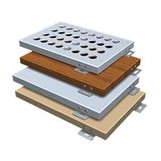
When working with 3003 H14 aluminum sheet, selecting the appropriate fasteners is crucial for ensuring a secure and long - lasting connection. As a supplier of 3003 H14 Aluminum Sheet, I understand the importance of this decision and am here to guide you through the process.
Understanding 3003 H14 Aluminum Sheet
Before delving into fasteners, it's essential to understand the properties of 3003 H14 aluminum sheet. The Astm B209 Alloy 3003 H14 is a popular alloy in the aluminum industry. The 3003 series is an alloy with manganese as the primary alloying element, which provides moderate strength, good formability, and excellent corrosion resistance. The H14 temper indicates that the material has been strain - hardened and partially annealed, resulting in a balance between strength and ductility. This type of aluminum sheet is commonly used in applications such as roofing, siding, and general sheet metal work.
Factors to Consider When Choosing Fasteners for 3003 H14 Aluminum Sheet
1. Compatibility
One of the most critical factors is the compatibility between the fastener material and the 3003 H14 aluminum sheet. Aluminum is a reactive metal, and when it comes into contact with certain metals in the presence of an electrolyte (such as moisture), galvanic corrosion can occur. Galvanic corrosion is an electrochemical process where one metal corrodes preferentially when in contact with another metal in an electrolyte. To avoid this, it's best to use fasteners made of aluminum or other metals that have a similar electrochemical potential to aluminum.


2. Strength
The fasteners need to have sufficient strength to hold the 3003 H14 aluminum sheet in place, especially in applications where the joint will be subjected to mechanical stress, vibration, or load. The strength of the fastener should be compatible with the strength of the aluminum sheet. Using fasteners that are too weak may result in joint failure, while using overly strong fasteners can cause damage to the relatively softer aluminum sheet during installation.
3. Installation Method
The installation method of the fasteners is also an important consideration. Some fasteners require drilling holes in the aluminum sheet, while others can be installed without pre - drilling. The choice of installation method depends on the application, the thickness of the aluminum sheet, and the tools available.
4. Environmental Conditions
The environmental conditions in which the 3003 H14 aluminum sheet will be used play a significant role in fastener selection. If the application is outdoors or in a corrosive environment, such as near the ocean or in a chemical - laden atmosphere, the fasteners need to have excellent corrosion resistance.
Suitable Types of Fasteners for 3003 H14 Aluminum Sheet
1. Aluminum Rivets
Aluminum rivets are an excellent choice for fastening 3003 H14 aluminum sheet. Since they are made of aluminum, they have the same electrochemical potential as the aluminum sheet, eliminating the risk of galvanic corrosion. Aluminum rivets come in various types, such as solid rivets and blind rivets. Solid rivets require access to both sides of the joint for installation and are typically used in applications where high strength is required. Blind rivets, on the other hand, can be installed from one side of the joint, making them suitable for applications where access to the backside is limited.
2. Aluminum Screws
Aluminum screws are another popular option. They can be easily installed using a screwdriver or a power drill. Like aluminum rivets, aluminum screws are compatible with the 3003 H14 aluminum sheet and are resistant to galvanic corrosion. There are different types of aluminum screws, such as self - tapping screws and machine screws. Self - tapping screws can create their own threads in the aluminum sheet, which is convenient for applications where pre - drilling is not desired. Machine screws, on the other hand, require pre - drilled holes and are often used in conjunction with nuts.
3. Stainless Steel Fasteners (with Caution)
Stainless steel is a strong and corrosion - resistant material. While it has a different electrochemical potential than aluminum, certain types of stainless steel fasteners can be used with 3003 H14 aluminum sheet if proper precautions are taken. Austenitic stainless steels, such as 304 and 316, are commonly used. To prevent galvanic corrosion, a non - conductive coating or a gasket can be used between the stainless steel fastener and the aluminum sheet.
4. Plastic Fasteners
Plastic fasteners are lightweight, non - conductive, and resistant to corrosion. They are a good choice for applications where electrical insulation or a non - metallic connection is required. However, plastic fasteners generally have lower strength compared to metal fasteners and are more suitable for light - duty applications.
Case Studies
1. Roofing Application
In a roofing project using 3003 H14 Aluminum Sheet, aluminum rivets were used to fasten the sheets to the roofing structure. The rivets provided a secure connection and were resistant to the outdoor environment. Since the roofing is exposed to rain and sunlight, the aluminum rivets' corrosion - resistant properties ensured the longevity of the joint.
2. Sheet Metal Enclosure
For a sheet metal enclosure made of 3003 H14 aluminum sheet, self - tapping aluminum screws were used. The self - tapping feature allowed for quick and easy installation without the need for pre - drilling. The screws held the enclosure panels together firmly, and the aluminum material prevented galvanic corrosion.
Conclusion
Choosing the right fasteners for 3003 H14 aluminum sheet is a crucial step in ensuring the success of any project. By considering factors such as compatibility, strength, installation method, and environmental conditions, you can select the most suitable fasteners. Aluminum rivets and screws are generally the best choices due to their compatibility with the aluminum sheet. Stainless steel fasteners can be used with proper precautions, and plastic fasteners are suitable for light - duty applications.
If you are in the market for 3003 H14 Aluminum Sheet or need further advice on fastener selection, feel free to reach out to us. We are here to provide you with high - quality products and professional guidance to meet your project requirements.
References
- Aluminum Association. "Aluminum Standards and Data."
- ASM Handbook Committee. "ASM Handbook, Volume 2: Properties and Selection: Nonferrous Alloys and Special - Purpose Materials."
- Callister, William D. "Materials Science and Engineering: An Introduction."