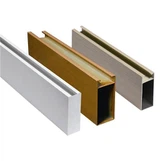
In the dynamic world of construction and decoration materials, PVDF Aluminum Coil has emerged as a top - choice for its outstanding performance and aesthetic appeal. As a PVDF Aluminum Coil supplier, I understand the significance of certifications in establishing trust and credibility in the market. This blog post aims to explore the essential certifications that a good PVDF Aluminum Coil manufacturer should possess.
ISO 9001: Quality Management System Certification
ISO 9001 is an internationally recognized standard for quality management systems. A PVDF Aluminum Coil manufacturer with ISO 9001 certification demonstrates a commitment to consistently providing products and services that meet customer and regulatory requirements.
This certification ensures that the manufacturer has a well - defined quality management system in place, covering all aspects of the production process, from raw material procurement to the final delivery of the product. For PVDF Aluminum Coils, this means that every step, such as the selection of high - quality aluminum substrates, the application of PVDF coatings, and the quality control checks during production, is carried out in a systematic and standardized manner.
When a manufacturer has ISO 9001 certification, customers can be confident that the PVDF Aluminum Coils they purchase will meet the expected quality standards. It also provides a framework for continuous improvement, allowing the manufacturer to identify and address any issues in the production process promptly. As a supplier, I know that customers often look for this certification as a sign of reliability and quality assurance. For more information on PVDF Aluminum Coil, you can visit PVDF Aluminum Coil.
ISO 14001: Environmental Management System Certification
In today's environmentally conscious world, ISO 14001 certification is becoming increasingly important for PVDF Aluminum Coil manufacturers. This standard focuses on environmental management, helping manufacturers to minimize their environmental impact and comply with environmental regulations.
The production of PVDF Aluminum Coils involves several processes that can have an environmental impact, such as the use of chemicals in the coating process and the energy consumption during production. A manufacturer with ISO 14001 certification has implemented an environmental management system that aims to reduce waste, conserve energy, and prevent pollution.
For example, they may use more environmentally friendly coating materials, optimize their production processes to reduce energy consumption, and implement proper waste management practices. This not only benefits the environment but also enhances the manufacturer's reputation in the market. Customers who are concerned about sustainable building materials are more likely to choose PVDF Aluminum Coils from a manufacturer with ISO 14001 certification.
ASTM Standards Compliance
The American Society for Testing and Materials (ASTM) has developed a series of standards for various materials, including PVDF Aluminum Coils. Compliance with ASTM standards ensures that the PVDF Aluminum Coils meet specific technical requirements in terms of mechanical properties, chemical composition, and performance.
ASTM standards cover aspects such as the thickness of the aluminum substrate, the adhesion of the PVDF coating, the corrosion resistance, and the weatherability of the coils. For instance, ASTM D2247 specifies the method for testing the water resistance of organic coatings, which is crucial for PVDF Aluminum Coils used in outdoor applications.
A manufacturer that adheres to ASTM standards demonstrates a high level of technical expertise and product quality. Customers can rely on the performance of PVDF Aluminum Coils that meet these standards, especially in demanding applications such as high - rise buildings and coastal areas.
RoHS Compliance
The Restriction of Hazardous Substances (RoHS) directive restricts the use of certain hazardous substances in electrical and electronic equipment. Although PVDF Aluminum Coils are not typically considered electrical and electronic equipment, many manufacturers also comply with RoHS requirements to ensure the safety and environmental friendliness of their products.
RoHS restricts the use of substances such as lead, mercury, cadmium, hexavalent chromium, polybrominated biphenyls (PBBs), and polybrominated diphenyl ethers (PBDEs). By complying with RoHS, PVDF Aluminum Coil manufacturers ensure that their products do not contain harmful substances that could pose a risk to human health and the environment.
This is particularly important for applications where the PVDF Aluminum Coils may come into contact with humans, such as in interior decoration. Customers can have peace of mind knowing that the PVDF Aluminum Coils they purchase are free from these hazardous substances.
CE Certification
CE certification is a mandatory conformity marking for products sold in the European Economic Area (EEA). It indicates that the PVDF Aluminum Coils comply with the relevant European health, safety, and environmental protection requirements.
The CE marking covers a wide range of aspects, including mechanical safety, chemical safety, and environmental performance. For PVDF Aluminum Coils, CE certification ensures that the product can be safely used in construction and other applications within the EEA.
Manufacturers that obtain CE certification must follow a specific conformity assessment procedure, which may include product testing, factory inspections, and documentation review. This certification is essential for PVDF Aluminum Coil manufacturers who want to expand their market into the European Union.
Fire - Resistance Certifications
In many building applications, fire - resistance is a critical factor. PVDF Aluminum Coil manufacturers may obtain fire - resistance certifications, such as UL 94 or BS 476, to demonstrate the fire - performance of their products.
UL 94 is a standard for testing the flammability of plastic materials, which can also be relevant for the PVDF coatings on aluminum coils. It classifies materials based on their ability to self - extinguish and the rate of burning. BS 476 is a British standard that assesses the fire performance of building materials, including their contribution to fire spread and heat release.
A PVDF Aluminum Coil with a good fire - resistance certification provides an added layer of safety in buildings, especially in areas with high fire risks. Customers in the construction industry often require fire - resistant materials to meet building codes and regulations.
Impact of Certifications on Market Competitiveness
Certifications play a crucial role in enhancing the market competitiveness of PVDF Aluminum Coil manufacturers. In a crowded market, certifications serve as a differentiator, helping manufacturers to stand out from their competitors.
Customers are more likely to trust a manufacturer that has multiple certifications, as it indicates a commitment to quality, environmental protection, and safety. Certifications also open up new market opportunities, especially in international markets where certain certifications are required for product acceptance.
For example, a manufacturer with CE certification can easily enter the European market, while ISO 9001 and ISO 14001 certifications are recognized globally. This allows manufacturers to expand their customer base and increase their sales volume.


Conclusion
In conclusion, a good PVDF Aluminum Coil manufacturer should possess a range of certifications to demonstrate their commitment to quality, environmental protection, and safety. ISO 9001, ISO 14001, ASTM standards compliance, RoHS compliance, CE certification, and fire - resistance certifications are all essential in today's market.
As a PVDF Aluminum Coil supplier, I am proud to work with manufacturers that have these certifications. These certifications not only ensure the high quality of our products but also give our customers the confidence they need when making a purchase decision.
If you are interested in purchasing high - quality PVDF Aluminum Coils, please feel free to contact us for further discussions and procurement opportunities. We are committed to providing you with the best products and services to meet your specific needs.
References
- ISO 9001:2015 Quality management systems — Requirements
- ISO 14001:2015 Environmental management systems — Requirements with guidance for use
- ASTM International standards related to aluminum and coatings
- RoHS Directive 2011/65/EU
- CE marking regulations for construction products
- UL 94 Standard for Tests for Flammability of Plastic Materials for Parts in Devices and Appliances
- BS 476 Fire tests on building materials and structures