As a supplier of Ceramic Aluminum Veneer, I'm excited to share some insights on how to design with this remarkable material. Ceramic Aluminum Veneer offers a unique combination of aesthetics, durability, and functionality, making it a popular choice for a wide range of architectural and interior design projects.
Understanding Ceramic Aluminum Veneer
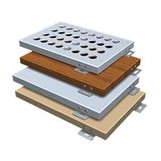
Before diving into the design process, it's essential to understand the characteristics of Ceramic Aluminum Veneer. This material consists of a core layer of aluminum alloy sandwiched between two layers of ceramic coating. The ceramic coating provides excellent resistance to weathering, UV radiation, scratches, and stains, ensuring long - lasting performance even in harsh environments.
In terms of appearance, Ceramic Aluminum Veneer comes in a variety of colors, finishes, and patterns. You can choose from smooth, matte, or textured surfaces, as well as realistic wood grain, stone, or metallic effects. This versatility allows designers to achieve a wide range of design styles, from modern and minimalist to traditional and rustic.
Design Considerations for Exterior Applications
Building Facades
When using Ceramic Aluminum Veneer for building facades, the first consideration is the overall architectural style of the building. For a contemporary building, a sleek, smooth - finished Ceramic Aluminum Veneer in bold colors can create a striking and modern look. On the other hand, for a more traditional building, a wood grain or stone - like finish can blend in seamlessly with the surrounding environment.
Another important factor is the installation method. There are different installation systems available, such as the dry - hanging system, which allows for easy installation and maintenance. The layout of the panels also plays a crucial role. You can create a uniform pattern by arranging the panels in a regular grid, or add visual interest by using different panel sizes and orientations. For example, you could use larger panels at the base of the building and smaller ones at the top to create a sense of scale.


The Curtain Wall Aluminum Veneer is a great option for high - rise buildings. It not only provides an attractive appearance but also offers excellent insulation and soundproofing properties. By choosing the right thickness and type of Ceramic Aluminum Veneer, you can ensure that the curtain wall meets the energy efficiency requirements of the building.
Roofing
Ceramic Aluminum Veneer can also be used for roofing applications. Its lightweight nature makes it easier to install compared to traditional roofing materials. When designing a roof with Ceramic Aluminum Veneer, consider the slope of the roof. A steeper slope allows for better water drainage, reducing the risk of water pooling and damage.
The color of the roofing panels can also affect the energy efficiency of the building. Lighter colors reflect more sunlight, which can help keep the interior of the building cooler in hot climates. In contrast, darker colors absorb more heat, which may be beneficial in colder regions.
Design Considerations for Interior Applications
Ceilings
The Aluminum Veneer For Ceiling is a popular choice for interior design. It can create a clean, modern look in commercial spaces such as offices, shopping malls, and hotels. When designing a ceiling with Ceramic Aluminum Veneer, think about the height of the ceiling. For low - ceilinged rooms, using lighter colors and smaller panel sizes can make the space appear more open and airy.
You can also use different shapes and patterns to add visual interest to the ceiling. For example, creating a geometric pattern with triangular or hexagonal panels can make the ceiling a focal point of the room. Additionally, the lighting design should be coordinated with the ceiling panels. Recessed lighting can be installed behind the panels to create a soft, ambient glow.
Wall Cladding
Ceramic Aluminum Veneer is an excellent material for wall cladding in interior spaces. It can be used to create accent walls or cover entire walls. For a residential interior, a wood grain finish can add a warm and cozy touch. In a commercial space, a metallic or high - gloss finish can create a more sophisticated and modern atmosphere.
When installing wall cladding, consider the scale of the room. Larger panels are more suitable for large - scale spaces, while smaller panels can be used in smaller rooms. You can also combine different finishes and colors to create a unique and personalized look.
Sustainability in Design
In today's design world, sustainability is a key consideration. Ceramic Aluminum Veneer is an environmentally friendly material. It is recyclable, which means that at the end of its life cycle, it can be reused to make new products. Additionally, its long - lasting nature reduces the need for frequent replacements, which in turn reduces waste.
When designing with Ceramic Aluminum Veneer, you can also incorporate energy - efficient features. For example, using panels with high - reflectivity coatings can reduce the energy consumption of the building by reducing the need for air - conditioning.
Cost - effectiveness
Cost is always an important factor in any design project. Ceramic Aluminum Veneer offers a cost - effective solution compared to some traditional materials. Its relatively low cost of production, combined with its long - term durability, makes it a smart investment.
When considering the cost, also take into account the installation cost. Since Ceramic Aluminum Veneer is lightweight and easy to install, the installation cost is often lower than that of heavier materials.
Customization
One of the biggest advantages of Ceramic Aluminum Veneer is its high degree of customization. As a supplier, we can produce panels in different sizes, shapes, colors, and finishes according to your specific design requirements. Whether you need a unique pattern for a special project or a custom color to match your brand identity, we can work with you to bring your vision to life.
The Wood Grain Aluminum Panel is a great example of customization. It can mimic the look of real wood without the associated maintenance issues. You can choose from different wood species and finishes to achieve the desired aesthetic.
Conclusion
Designing with Ceramic Aluminum Veneer offers endless possibilities. Whether you are working on an exterior building project or an interior design, this material can help you achieve a beautiful, durable, and sustainable design. Its versatility in terms of appearance, functionality, and customization makes it a top choice for architects and designers.
If you are interested in using Ceramic Aluminum Veneer for your next project, we would love to have a conversation with you. Our team of experts can provide you with detailed information, samples, and professional advice to help you make the best design decisions. Contact us to start the procurement and negotiation process, and let's create something amazing together.
References
- Architectural Aluminum Association. "Aluminum in Architecture: A Guide to Design and Specification."
- Green Building Council. "Sustainable Materials in Construction."
- Interior Design Magazine. "Innovative Materials for Interior Design."