

Humidity is a crucial environmental factor that can significantly impact various materials, including Ceramic Aluminum Veneer. As a leading supplier of Ceramic Aluminum Veneer, I have witnessed firsthand how humidity can affect the performance, durability, and aesthetics of this popular building material. In this blog post, I will delve into the science behind the relationship between humidity and Ceramic Aluminum Veneer, exploring the potential effects and offering practical solutions to mitigate any negative impacts.

Understanding Ceramic Aluminum Veneer
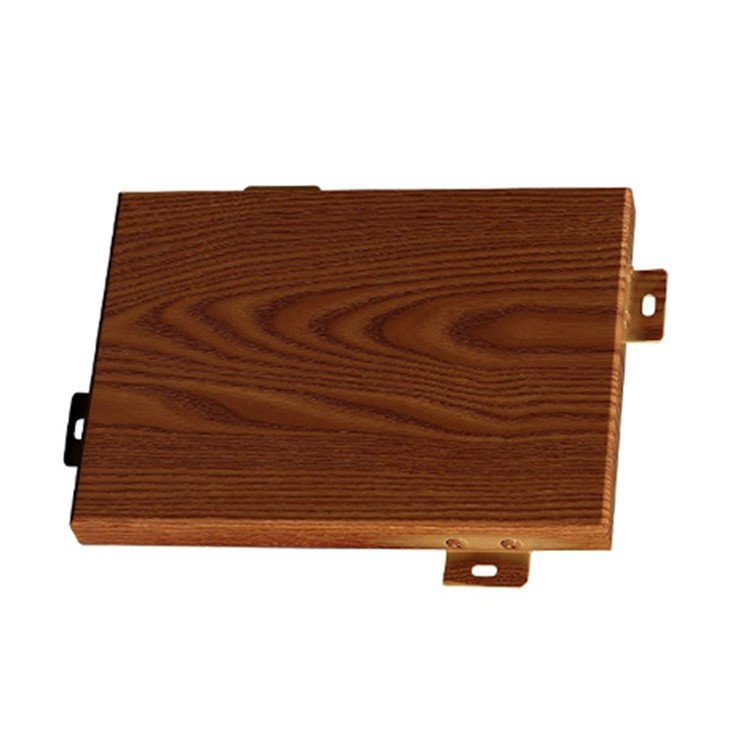
Before we discuss the effects of humidity, let's first understand what Ceramic Aluminum Veneer is. Ceramic Aluminum Veneer is a composite material consisting of a layer of ceramic coating applied to an aluminum substrate. This combination offers several advantages, including high strength, lightweight, corrosion resistance, and excellent aesthetic appeal. It is commonly used in exterior cladding, interior decoration, and various architectural applications.
The Impact of Humidity on Ceramic Aluminum Veneer
Humidity refers to the amount of water vapor present in the air. High humidity levels can create a moist environment, which can have both short-term and long-term effects on Ceramic Aluminum Veneer.
Short-Term Effects
- Condensation: When the temperature of the Ceramic Aluminum Veneer surface drops below the dew point of the surrounding air, condensation can occur. This can lead to the formation of water droplets on the surface of the veneer, which can cause staining and discoloration. In addition, condensation can also promote the growth of mold and mildew, which can further damage the appearance and integrity of the veneer.
- Surface Contamination: High humidity can attract dust, dirt, and other pollutants to the surface of the Ceramic Aluminum Veneer. These contaminants can adhere to the veneer, making it look dirty and dull. Regular cleaning may be required to maintain the appearance of the veneer.
Long-Term Effects
- Corrosion: Humidity can accelerate the corrosion process of the aluminum substrate in Ceramic Aluminum Veneer. When the aluminum comes into contact with water and oxygen, it forms aluminum oxide, which can cause the veneer to become pitted, discolored, and weakened over time. This can compromise the structural integrity of the veneer and reduce its lifespan.
- Coating Delamination: The ceramic coating on Ceramic Aluminum Veneer acts as a protective barrier against environmental factors. However, high humidity can cause the coating to delaminate or peel off from the aluminum substrate. This can expose the aluminum to further corrosion and damage, and also affect the aesthetic appeal of the veneer.
- Dimensional Changes: Humidity can cause the Ceramic Aluminum Veneer to expand and contract due to the absorption and release of moisture. These dimensional changes can lead to warping, buckling, and cracking of the veneer, especially if it is not properly installed or maintained.
Mitigating the Effects of Humidity
While humidity can pose challenges to Ceramic Aluminum Veneer, there are several measures that can be taken to mitigate its effects and ensure the long-term performance and durability of the material.
Proper Installation
- Ventilation: Ensure proper ventilation in the building to reduce humidity levels. This can be achieved through the use of mechanical ventilation systems, such as exhaust fans and air conditioners, or natural ventilation methods, such as windows and vents.
- Waterproofing: Apply a waterproofing membrane or sealant to the back of the Ceramic Aluminum Veneer during installation to prevent moisture from penetrating the substrate. This can help protect the aluminum from corrosion and reduce the risk of coating delamination.
- Expansion Joints: Install expansion joints at regular intervals to allow for the natural expansion and contraction of the Ceramic Aluminum Veneer due to changes in humidity and temperature. This can help prevent warping, buckling, and cracking of the veneer.
Maintenance
- Regular Cleaning: Clean the Ceramic Aluminum Veneer regularly to remove dirt, dust, and other contaminants. Use a mild detergent and water solution, and avoid using abrasive cleaners or tools that can scratch the surface of the veneer.
- Inspection: Inspect the Ceramic Aluminum Veneer periodically for signs of damage, such as corrosion, coating delamination, or dimensional changes. Address any issues promptly to prevent further damage and ensure the continued performance of the veneer.
- Coating Repair: If the ceramic coating on the Ceramic Aluminum Veneer is damaged, it should be repaired or recoated as soon as possible. This can help restore the protective barrier and prevent further corrosion and damage to the aluminum substrate.
Conclusion
Humidity can have a significant impact on the performance, durability, and aesthetics of Ceramic Aluminum Veneer. As a supplier of Ceramic Aluminum Veneer, I understand the importance of providing high-quality products and practical solutions to our customers. By understanding the effects of humidity and taking appropriate measures to mitigate its impact, we can ensure that our Ceramic Aluminum Veneer products meet the highest standards of quality and performance.
If you are interested in learning more about our Ceramic Aluminum Veneer products or have any questions about how humidity can affect them, please feel free to contact us. We would be happy to discuss your specific needs and provide you with the information and support you need to make an informed decision.
In addition to our Ceramic Aluminum Veneer products, we also offer a wide range of other aluminum veneer products, including Perforated Aluminium Panels Facade, Aluminum Perforated Sheet 1.0mm, and Prepainted Wood Grain Aluminum Panel. These products are designed to meet the diverse needs of our customers and provide them with high-quality, durable, and aesthetically pleasing solutions for their architectural projects.
Contact us today to discuss your project requirements and explore the possibilities of using our Ceramic Aluminum Veneer and other aluminum veneer products. We look forward to working with you!
References
- ASTM International. (2021). Standard Test Methods for Measuring Humidity with Psychrometers (Aspirated, Sling, and Stationary). ASTM E337-21.
- Building Science Corporation. (2020). Moisture Control in Buildings. Retrieved from https://www.buildingscience.com/resources/publications/building-science-digest/bsd-130-moisture-control-buildings
- National Association of Home Builders. (2021). Moisture Management in Homes. Retrieved from https://www.nahb.org/Resources/Articles/Moisture-Management-in-Homes


