

Hey there! As an aluminium veneer supplier, I often get asked this question: "Can aluminium veneer be recycled?" Well, let's dive right into it and find out.
First off, let me give you a bit of background on aluminium veneer. Aluminium veneer is a popular building material known for its durability, versatility, and aesthetic appeal. It's used in a wide range of applications, from exterior wall cladding to interior decoration. We offer different types of aluminium veneer products, like the Prepainted Wood Grain Aluminum Panel, which gives a beautiful wood - like look, the Aluminum Veneer For Ceiling that can enhance the look of any ceiling, and the Imitation Wood Grain Aluminum Veneer for those who want the wood look without the maintenance.
Now, let's talk about the recyclability of aluminium veneer. The short answer is yes, aluminium veneer can definitely be recycled. Aluminium is one of the most recyclable materials on the planet. In fact, it can be recycled an infinite number of times without losing its properties.
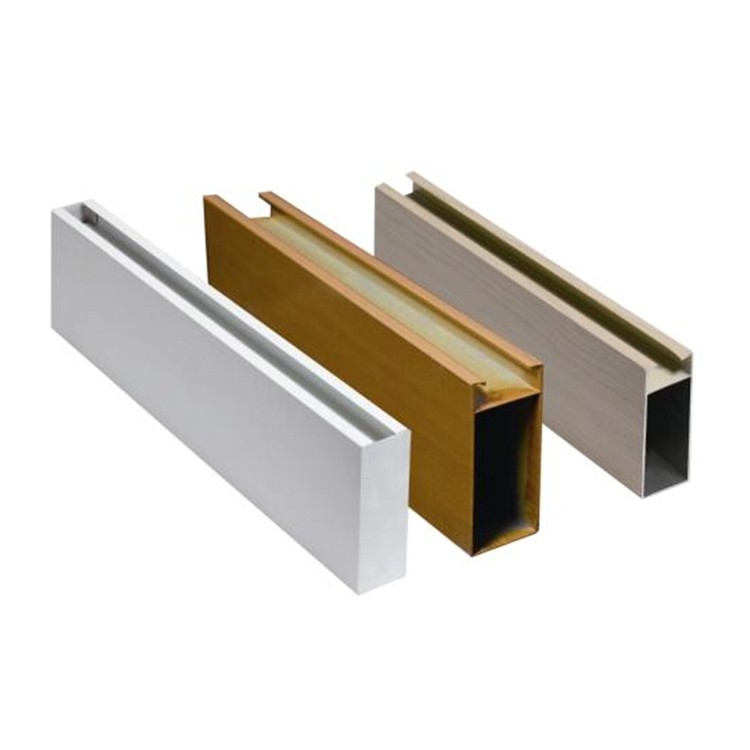

The recycling process of aluminium veneer starts with collection. When a building is renovated or demolished, the aluminium veneer can be removed and sent to a recycling facility. At the facility, the first step is to sort the aluminium veneer from other materials. This is usually done through a combination of manual inspection and automated sorting machines. The sorting is crucial because it ensures that only pure aluminium or aluminium - rich materials are processed further.
After sorting, the aluminium veneer goes through a cleaning process. This step is necessary to remove any dirt, paint, or other contaminants on the surface of the veneer. Depending on the level of contamination, different cleaning methods can be used. For light dirt, simple washing with water and mild detergents might be enough. For more stubborn paint or coatings, chemical stripping or abrasive blasting could be employed.
Once the aluminium veneer is clean, it's melted down. The melting process takes place in high - temperature furnaces. The heat is so intense that it turns the solid aluminium veneer into liquid aluminium. During melting, any remaining impurities rise to the surface as slag and can be skimmed off. This results in a relatively pure aluminium liquid.
The molten aluminium is then cast into ingots or other forms. These ingots can be used by manufacturers to produce new aluminium products, including new aluminium veneer. This closed - loop recycling system is not only environmentally friendly but also economically viable.
There are several reasons why recycling aluminium veneer is a great idea. Firstly, from an environmental perspective, recycling aluminium uses significantly less energy compared to producing new aluminium from bauxite ore. It's estimated that recycling aluminium saves about 95% of the energy required for primary aluminium production. This reduction in energy consumption means less greenhouse gas emissions, which is a huge plus for our planet.
Secondly, recycling helps conserve natural resources. Bauxite, the main ore from which aluminium is extracted, is a non - renewable resource. By recycling aluminium veneer, we can reduce the demand for bauxite mining and extend the lifespan of these precious resources.
Economically, recycling aluminium veneer also makes sense. The cost of recycling is often lower than the cost of producing new aluminium. This can lead to cost savings for manufacturers, which can potentially be passed on to consumers. And for businesses that generate a large amount of scrap aluminium veneer, they can actually make money by selling it to recycling facilities.
However, there are a few challenges in recycling aluminium veneer. One of the main issues is the presence of non - aluminium components in the veneer. Some aluminium veneer may have plastic or composite layers, which need to be separated before recycling. This separation process can be complex and costly. Another challenge is the collection and transportation of the scrap aluminium veneer. Ensuring a steady supply of scrap material to recycling facilities requires an efficient collection network.
Despite these challenges, the overall benefits of recycling aluminium veneer far outweigh the drawbacks. As an aluminium veneer supplier, I'm committed to promoting the recycling of our products. We encourage our customers to consider the end - of - life options for the aluminium veneer they purchase.
In conclusion, aluminium veneer is highly recyclable. Its recyclability offers a sustainable solution for the construction and building industry. Whether you're an architect, a builder, or a homeowner, choosing aluminium veneer not only gives you a high - quality and aesthetically pleasing building material but also contributes to a more sustainable future.
If you're interested in purchasing high - quality aluminium veneer products, we'd love to talk to you. Whether you have questions about our products, our recycling initiatives, or want to start a procurement negotiation, don't hesitate to reach out. Let's work together to build a more sustainable and beautiful world with aluminium veneer.
References
- Aluminium Association. (2023). Recycling Aluminium.
- Environmental Protection Agency. (2023). Benefits of Recycling Metals.


